Key takeaways
- A 4Runner owner who spends weekdays commuting and weekends on forest roads faces a classic tire dilemma: a tire that is quiet and steady on the highway…
A 4Runner owner who spends weekdays commuting and weekends on forest roads faces a classic tire dilemma: a tire that is quiet and steady on the highway often struggles in mud, and an aggressive trail tire can hum loudly at 70 miles an hour. The right choice depends on how the truck is actually used, how much of the year it sees snow, and whether the owner wants a factory-looking tire or a bolder look.
The six tires below span highway, all-terrain and mud-leaning designs from Michelin, BFGoodrich, Falken, Toyo, Cooper, Nitto and Goodyear. This guide states only what each name says, so it does not claim tread life, noise levels or sizes. Always confirm the size printed on your door jamb sticker or manual before ordering, since 4Runner trims and model years use different wheel diameters.
Quick Picks
| Product | Best for | Worth knowing |
|---|---|---|
| BFGoodrich All-Terrain T/A KO2 | Mixed on- and off-road driving | All-terrain tire from a brand with a trail heritage |
| Falken Wildpeak A/T3W | Drivers who want all-terrain with winter use | The W in the name signals a winter-conscious design |
| Toyo Open Country A/T III | All-terrain on a balanced budget of effort | Third generation of the Open Country A/T |
| Michelin Defender LTX M/S | Mostly highway and daily driving | M/S refers to mud and snow marking |
| Cooper Discoverer AT3 4S | Year-round driving with some snow | 4S in the name signals four-season intent |
| Nitto Ridge Grappler | Drivers who like a bolder, hybrid look | Name blends mud-terrain style with road manners |
The tires in the table cover three styles: highway touring, all-terrain and a hybrid mud-leaning design. The notes repeat only what the names suggest, with no claims about mileage, noise or grip numbers. Start with the size on your own door jamb sticker, then use the rules below to match tread style to how your 4Runner is really used.
How to Choose
Confirm size, load range and speed rating
Start with the size on the sticker inside the driver’s door, such as 265/70R17 or 265/60R18. A good rule of thumb is to keep the overall diameter within about three percent of the original so the speedometer stays accurate. Load range matters too, and a heavier truck used for towing or gear may be better with an E-load option.
Common factory sizes include 265/70R17, 265/60R18 and 265/50R20 depending on trim and year. Check which one your truck wears now, and remember that a different size changes the speedometer reading, gearing feel and clearance in the wheel well.
Pick tread type by where you drive
Highway touring tires are quieter and last longer, all-terrain tires trade a bit of noise for grip on gravel and dirt, and mud-terrain tires excel off-road but can wear quickly and hum on pavement. For most 4Runner owners, an all-terrain compromise is the sweet spot.
Be honest about the split between pavement and dirt. If more than about 80 percent of your miles are on pavement, a highway or mild all-terrain tire usually serves you better than an aggressive one that wears faster and hums louder.
Look for the three-peak mountain snowflake
If winter driving matters, look for the three-peak mountain snowflake symbol on the sidewall. It indicates that the tire meets a minimum snow traction standard, which is stricter than the older M/S marking. Tires with only M/S markings may do fine in light snow, but the snowflake gives more assurance.
Check the sidewall for the symbol, because some tires carry only a mud and snow marking. For regions with regular snow, the snowflake symbol is a more meaningful guide, and four matching tires matter more than any single brand.
Check treadwear warranty and age
Mileage warranties vary, so use them as a rough guide. Check the four-digit date code and avoid tires older than two years at purchase. Plan on rotating every 5,000 to 7,500 miles, since even wear extends life and keeps handling predictable on a heavy SUV.
Ask the shop to mount, balance and align the truck at the same visit. A fresh alignment protects a new set from uneven wear, and a written rotation schedule helps you take advantage of any mileage warranty.
Our Picks Reviewed
BFGoodrich All-Terrain T/A KO2

BFGoodrich All Terrain T/A KO2 Radial Car Tire for Light Trucks, SUVs, and Crossovers, LT265/70R17/C 112/109S


As an Amazon Associate we earn from qualifying purchases. Product prices and availability are accurate as of the date/time indicated.
Owners who tow a trailer or carry heavy gear often look at stout all-terrain designs like this one first, and the long history of the name makes it easy to find owner experience with similar trucks.
The KO2 is the second-generation all-terrain tire from BFGoodrich, a name closely tied to trucks and trail driving in the US.
- Pro: A name well known to truck and Jeep owners makes it easy to find community advice, reviews and compatible sizes for a 4Runner.
- Pro: All-terrain designs give added grip on gravel, dirt and forest roads where a highway tire may slip.
- Con: All-terrain tires typically hum louder on pavement and may reduce fuel economy compared with a highway tire.
Skip it if you drive almost entirely on pavement and value a quiet cabin above everything else.
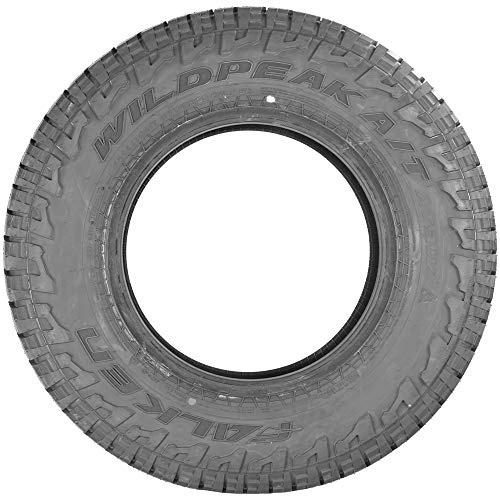
Falken Wildpeak A/T3W
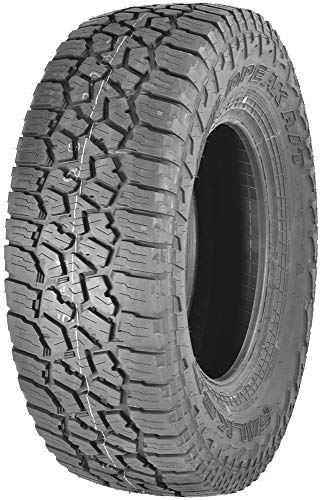
Falken Wildpeak A/T3W all_ Terrain Radial Tire-245/75R17 112T | Truck/SUV All Terrain All Weather Traction 112T Rated Standard Load Radial Construction Raised Black Letters Tire



As an Amazon Associate we earn from qualifying purchases. Product prices and availability are accurate as of the date/time indicated.
The mention of winter in the name will interest buyers in northern states who still want an aggressive look, though the best advice is to read independent snow tests before relying on any single claim.
The Wildpeak A/T3W is an all-terrain tire whose W signals attention to winter use, so it appeals to drivers who see snow.
- Pro: An all-terrain design with winter in mind gives a balanced option for drivers who do both trail runs and snowy commutes.
- Pro: Falken has built a reputation among truck owners as a value-minded alternative to the biggest tire names.
- Con: A compromise tire will not match a dedicated winter tire on ice or deep, packed snow.
Skip it if you live in a region with severe winters and want the best traction on ice, where dedicated winter tires win.
Toyo Open Country A/T III

Toyo Open Country A/T III 35X12.50R17LT C/6 PLY
As an Amazon Associate we earn from qualifying purchases. Product prices and availability are accurate as of the date/time indicated.
Many drivers consider it a middle-of-the-road all-terrain choice, which is a polite way of saying it aims to balance noise, wear and traction without excelling at only one of them.
The Open Country A/T III is the third generation of Toyo’s all-terrain line, a frequent pick for SUVs and trucks.
- Pro: A third-generation line suggests refinement over time, and owner reports on forums and videos are easy to find.
- Pro: An all-terrain tread gives the 4Runner confidence on gravel and light off-road use without a huge sacrifice on pavement.
- Con: All-terrain patterns add road noise, and some drivers will notice it on long highway trips.
Skip it if your 4Runner never leaves the pavement and you prefer a highway touring tire.
Michelin Defender LTX M/S

MICHELIN Defender LTX M/S All Season Radial Car Tire for Light Trucks, SUVs and Crossovers, 245/75R16 111T
As an Amazon Associate we earn from qualifying purchases. Product prices and availability are accurate as of the date/time indicated.
Commuters who want the quiet ride of a factory-style tire often start here, since highway-focused light-truck tires are designed for comfort and tread life rather than for conquering rocks.
The Defender LTX M/S is a light-truck highway tire from Michelin, with M/S marking for mud and snow capability.
- Pro: A highway-oriented light-truck tire usually favors quiet, comfortable driving and long wear for daily commuters.
- Pro: Michelin has a wide dealer network, which simplifies installation, alignment and warranty claims.
- Con: A highway design lacks the aggressive tread of all-terrain tires, so deep mud and loose gravel are harder to handle.
Skip it if you plan regular trail driving, camping access roads or rock crawling, because the tread is built for comfort and wear rather than for loose ground.
Cooper Discoverer AT3 4S
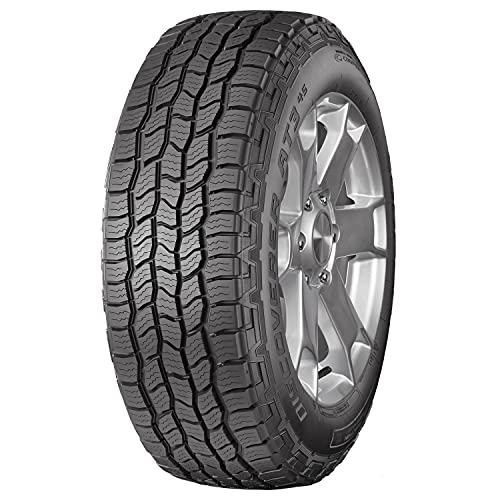
Cooper Discoverer AT3 4S All-Season 265/50R20XL 111T Tire | Truck/SUV All Terrain All Weather Traction 111T Rated Extra Load Radial Construction Black Sidewall Tire


As an Amazon Associate we earn from qualifying purchases. Product prices and availability are accurate as of the date/time indicated.
The four-season idea appeals to owners who change tires rarely and do not want two sets, but it is worth checking the details because not every four-season label offers the same winter marking.
The Discoverer AT3 4S is an all-terrain tire with a four-season focus from Cooper, aimed at drivers who want year-round use.
- Pro: Four-season intent suits drivers who keep one set of tires on the truck all year and see occasional snow.
- Pro: Cooper has a long truck and SUV history, so sizing options often cover popular 4Runner wheel sizes.
- Con: A four-season all-terrain is still a compromise, and neither summer pavement grip nor winter traction will be class-leading.
Skip it if you want a tire built purely for off-road challenges or purely for quiet highway use.
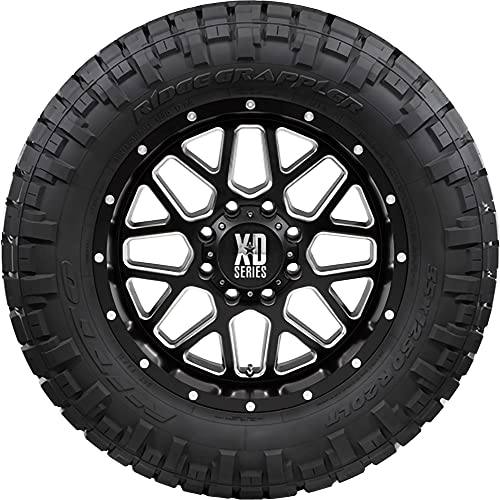
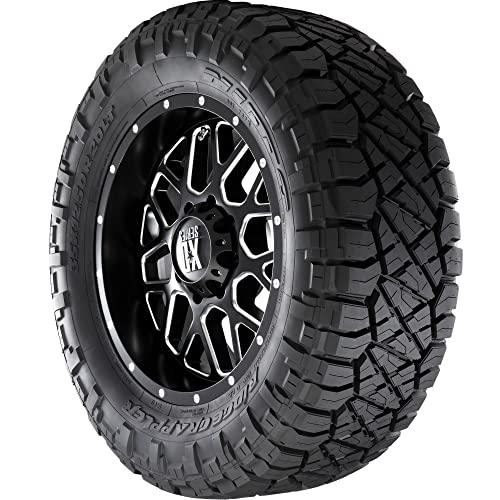
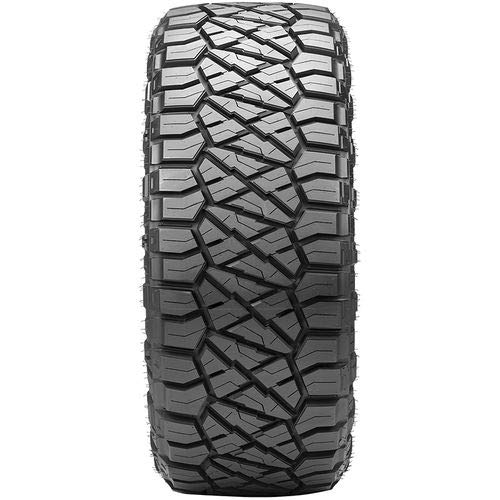
Nitto Ridge Grappler
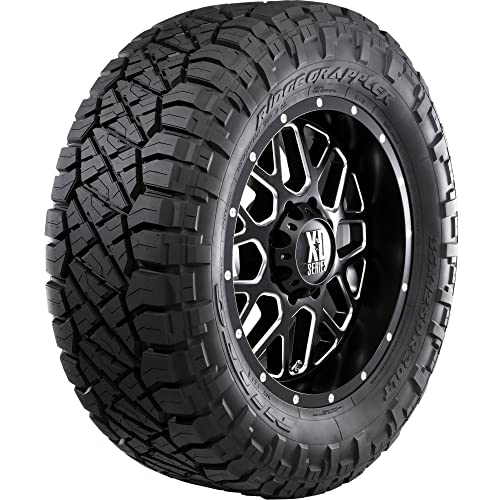
NITTO Ridge Grappler All_Season Radial Tire-35x12.50R20LT F 125Q





As an Amazon Associate we earn from qualifying purchases. Product prices and availability are accurate as of the date/time indicated.
Those who like a bold sidewall look often choose this style, so confirm that the size you want is available and ask about weight, since heavier tires can slightly change fuel economy and handling.
The Ridge Grappler blends a mud-terrain look with road manners, and Nitto sells it to drivers who want a bold appearance.
- Pro: A hybrid style gives an aggressive appearance that suits owners who want their 4Runner to look trail-ready.
- Pro: A bolder tread pattern generally means better bite in mud and loose dirt than a mild all-terrain design.
- Con: Aggressive patterns often make more noise and wear faster, which adds cost for daily drivers.
Skip it if you commute long distances and want the quietest, longest-lasting option.
Which One Fits
- Mostly pavement with some gravel: Michelin Defender LTX M/S or Toyo Open Country A/T III.
- Weekend trails and camping: BFGoodrich All-Terrain T/A KO2.
- Snow-belt drivers: Falken Wildpeak A/T3W or Cooper Discoverer AT3 4S.
- Owners who want a bold look: Nitto Ridge Grappler.
A useful shortcut is to write down your last twelve months of driving: miles on highway, gravel, snow and trail. The share of each tells you which tread family fits. Then check three finalists for size availability, snow marking and warranty terms, and choose the one that matches your most common route, not your rarest adventure.
Common Mistakes
- Choosing a bigger tire without checking fender clearance and speedometer error.
- Buying mud-terrain tires for a mostly highway commute.
- Ignoring the date code on old stock.
- Skipping rotations, which wears a heavy SUV’s tires unevenly.
- Forgetting to replace all four tires on an all-wheel-drive or four-wheel-drive setup.
FAQ
Can I use any tire on a 4Runner?
No. Use the size and load rating on the door sticker or in the manual as your baseline.
How often should I replace them?
Most drivers replace at around 4/32 inch of remaining tread or after about six years. Wet and snowy roads call for more tread than dry ones, so many owners replace earlier in regions with heavy rain or winter weather.
Is the 4Runner a reliable pick?
Many owners like it. See the list of the best car brands for reliability for how Toyota compares.
Do I need special tools for a tire swap?
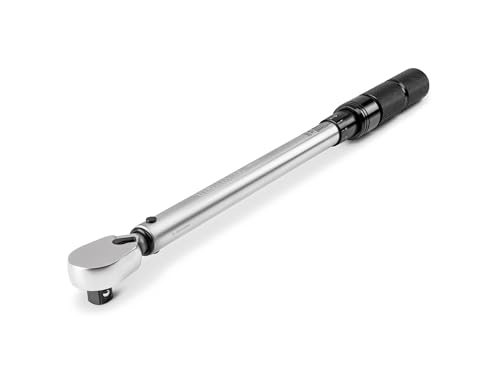
Not for rotations. A jack, stands and torque wrench help; see car maintenance tools for DIY drivers.
Should I get a spare that matches?
Ideally yes, so that the spare matches the others in size and diameter. A mismatched spare can strain the drivetrain on a four-wheel-drive truck, so use it only briefly and replace it with a matching tire soon after.