Key takeaways
- A bike parked a block from the ocean lives a hard life. Midday sun bakes the seat and plastics, overnight fog leaves a film of salt on every chrome…
A bike parked a block from the ocean lives a hard life. Midday sun bakes the seat and plastics, overnight fog leaves a film of salt on every chrome surface, and a cheap cover that traps moisture can do more harm than leaving the bike bare. Coastal riders in Florida, the Gulf states, Southern California and the Carolinas all face the same puzzle: how to shield paint and metal from sun and salt without sealing humidity inside.
The five covers below come from Dowco, Nelson-Rigg, Classic Accessories and Oxford, and this guide relies only on what each product name says. It does not state fabric types, weights or coatings, so confirm those on the maker’s page. The buying rules come first because the right cover for a hot, salty climate is defined by a handful of checkable traits, and spotting them takes about two minutes of reading a product listing.
Quick Picks
| Product | Best for | Worth knowing |
|---|---|---|
| Dowco Guardian WeatherAll Plus Motorcycle Cover | Outdoor parking in mixed weather | Name points to all-weather use in a Plus trim |
| Dowco Guardian Ultralite Motorcycle Cover | Riders who want something easy to handle | Ultralite suggests an emphasis on low weight |
| Nelson-Rigg Defender Extreme Motorcycle Cover | Riders who want a heavy-duty option | Extreme trim signals the maker’s toughest tier |
| Classic Accessories MotoGear Motorcycle Cover | Everyday outdoor storage on a modest scale | Part of a brand known for general outdoor covers |
| Oxford Aquatex Motorcycle Cover | Wet, humid climates | Aquatex name hints at a focus on water |
Every cover in the table is sold as a motorcycle cover by a brand that makes outdoor or riding gear, and the notes repeat only what the names suggest. Fabric, coating and vent details are not stated in the names, so treat the buying rules below as your checklist when you open each manufacturer’s product page and compare them side by side.
How to Choose
Breathability to avoid trapped moisture
In humid coastal air, a cover must let moisture out. Look for vents, mesh panels or a fabric described as breathable, and avoid fully sealed plastic tarps. A good rule of thumb is that if you can feel dampness under a cover after a foggy night, it needs more ventilation, and water trapped against metal speeds corrosion, especially with salt present.
Fabric labeled as breathable is only half the story. Look for a lining that wicks moisture and a vent at the top or sides, then lift the cover a few inches every week or two during humid spells so trapped air can escape and the seat and chrome can dry.
UV resistance and fade protection
Hot sun degrades cheap fabric within a single season. Look for a stated UV-resistant coating, a lighter color that reflects heat, and a soft inner lining so the cover does not scratch paint. Covers meant for year-round outdoor use usually mention UV protection explicitly, while basic dust covers do not.
Dark colors absorb heat and fade faster, so a light gray or silver cover usually stays cooler under a strong sun. If the product page shows a reflective or UV-treated outer layer, that is a better sign than a general statement about being weatherproof.
Secure fit against wind
Coastal wind lifts a loose cover and lets it scrape the paint. Look for elastic hems, a front-to-back strap, and grommets for a cable lock. Choose a size that matches your bike: touring bikes with luggage need an extra-large cover, while sport bikes and cruisers often fit in a medium or large.
Measure your bike from front tire to rear tire and from the ground to the top of the windshield or luggage. Compare those numbers with the cover’s stated dimensions, and size up if you carry a top case, because a cover stretched tight pulls on seams and tears sooner.
Salt and cleaning habits
Even the best cover works only if the bike is clean when it goes under. Wipe salt off with a damp cloth before covering, let the bike cool for at least 30 minutes after riding, and wash the cover with mild soap occasionally so that salt crystals do not build up on the inside surface.
Rinse the bike with fresh water after a ride near the water, dry it with a soft towel and let the engine cool fully. Doing so for a few minutes after each ride protects metal far better than any single cover can by itself.
Our Picks Reviewed
Dowco Guardian WeatherAll Plus Motorcycle Cover
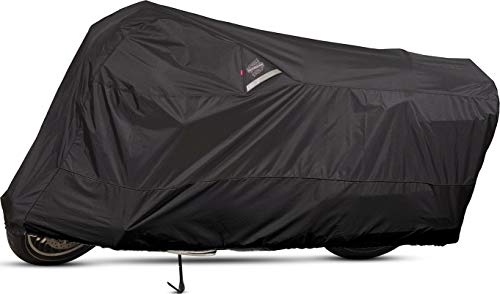
Dowco Guardian 50003-02 WeatherAll Plus Indoor/Outdoor Waterproof Motorcycle Cover: Black, Large




As an Amazon Associate we earn from qualifying purchases. Product prices and availability are accurate as of the date/time indicated.
For many coastal owners this is the name that comes up first, because it is easy to find, easy to size and often used as the reference point when people compare cheaper and costlier alternatives.
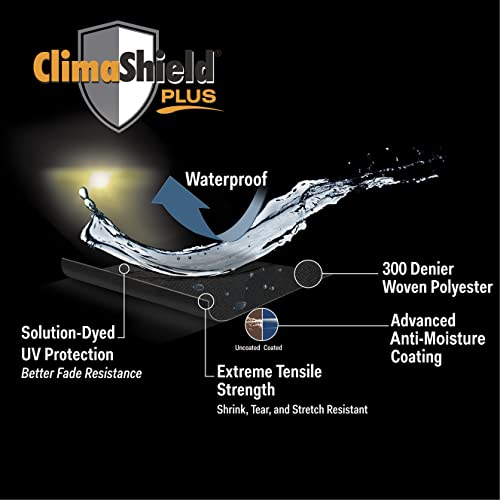
The WeatherAll Plus is part of Dowco’s Guardian line, and its name signals a cover intended for year-round outdoor use. It is a logical starting point for coastal owners.
- Pro: An all-weather purpose fits climates where sun, rain and fog all occur in the same week, which describes most coastal regions.
- Pro: Dowco is a long-established motorcycle accessory brand, so sizing guides and replacement parts are usually easy to find for the common bike categories.
- Con: A heavier all-weather cover can be bulky to fold and store, and it takes more effort to put on a tall touring bike.
Skip it if you only need a quick dust shield for an indoor garage, where a lighter cover is far less hassle to handle.
Dowco Guardian Ultralite Motorcycle Cover

Dowco Guardian 26036-00 UltraLite Plus Water Resistant Indoor/Outdoor Motorcycle Cover: Grey, Large


As an Amazon Associate we earn from qualifying purchases. Product prices and availability are accurate as of the date/time indicated.
Daily riders in particular tend to like a lighter design, since a cover that takes ten seconds to remove is far more likely to be used every night than a heavy one that feels like a chore.
The Ultralite sits in the same Guardian family, with a name that emphasizes light weight and easy handling over maximum bulk.
- Pro: A lighter cover is faster to put on and take off, which matters if you ride most days and cover the bike every evening.
- Pro: Easier packing means it can travel in a saddlebag or trunk for trips, useful when you park outdoors at hotels.
- Con: Lighter-weight covers generally offer less abrasion and tear resistance than heavy-duty designs, especially in strong wind.
Skip it if your bike sits outdoors for weeks at a time in harsh sun and salt spray, where a heavier cover is the safer match.
Nelson-Rigg Defender Extreme Motorcycle Cover

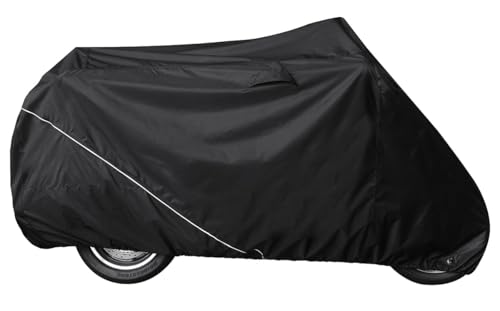
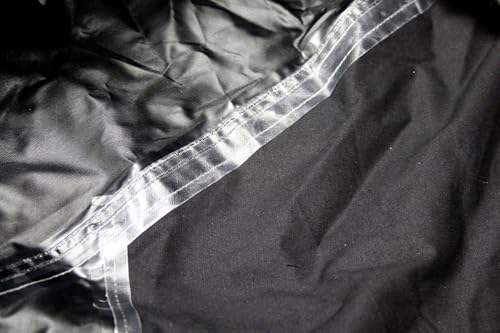
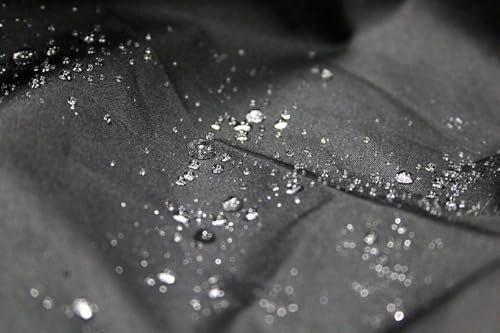
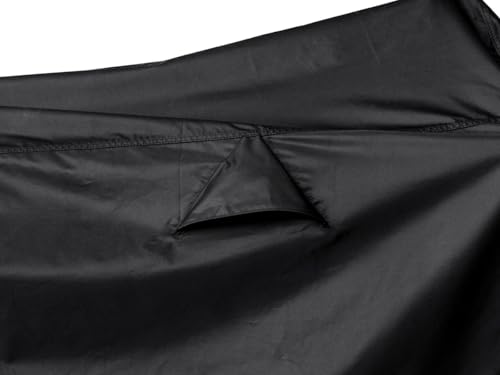
Nelson Rigg USA Defender Extreme Motorcycle Cover; Waterproof; Outdoor All Weather; Fade Resistant; Ventilated; Reflective; Lock Grommets; Storage Bag (X-Large)







As an Amazon Associate we earn from qualifying purchases. Product prices and availability are accurate as of the date/time indicated.
Riders who park a bike outside through several seasons often step up to a tougher tier like this one, accepting extra weight and cost in exchange for a longer service life against sun and wind.
Nelson-Rigg is a motorcycle gear brand, and the Defender Extreme name places this cover in its toughest tier.
- Pro: A product line labeled Extreme is generally aimed at harsh conditions, which is the right target for hot, salty storage.
- Pro: A dedicated motorcycle gear brand tends to design covers around bike shapes, mirrors and luggage racks.
- Con: A top-tier cover usually costs more and weighs more than a basic option, so it is an investment rather than an impulse buy.
Skip it if you park under a carport or garage most nights and only need light protection from dust and occasional drizzle.
Classic Accessories MotoGear Motorcycle Cover
It sits in an everyday price and feature class, which suits owners who park under a carport or at an apartment complex and want sensible protection without paying for a heavy-duty specialist cover.
MotoGear comes from Classic Accessories, a brand with a broad range of outdoor covers for vehicles, furniture and boats.
- Pro: A mainstream outdoor-cover brand means wide availability and straightforward sizing information, helpful for first-time cover buyers.
- Pro: Brand experience with boat and patio covers suggests familiarity with sun and moisture, both major issues near the coast.
- Con: A general-purpose brand may not match motorcycle-specific makers for features such as vent placement and lock-ready grommets.
Skip it if you own a large touring bike with a top case and want a cover cut specifically for luggage.
Oxford Aquatex Motorcycle Cover

Oxford - Aquatex Outdoor Motorcycle Protective Cover



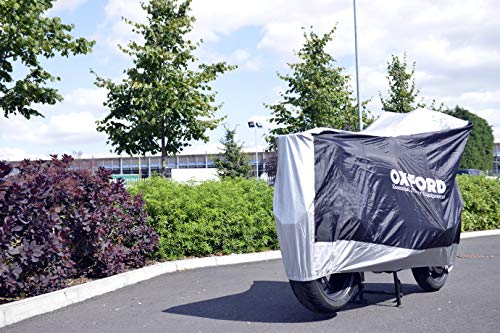

As an Amazon Associate we earn from qualifying purchases. Product prices and availability are accurate as of the date/time indicated.
Humid, rainy regions are where a water-focused name makes the most sense, though even there it pays to confirm venting and to lift the cover regularly so the bike can breathe between storms.
Oxford is a motorcycle accessory brand, and the Aquatex name points toward handling wet conditions.
- Pro: A name built around water suggests a focus on rain and moisture, a relevant concern in humid coastal air.
- Pro: A motorcycle-focused brand typically offers sizing options across the main bike styles, from sport bikes to larger cruisers.
- Con: Water-focused covers can still trap humidity if they lack venting, so check for vents before assuming it suits muggy climates.
Skip it if your main concern is heat and UV rather than rain, since sun protection details deserve a closer look.
Which One Fits
Before choosing, look at where the bike spends the night and how often the cover gets removed.
Pick based on how often you cover the bike and how harsh the setting is.
- Year-round outdoor parking near the shore: Nelson-Rigg Defender Extreme or Dowco Guardian WeatherAll Plus.
- Daily riders who cover the bike every night: Dowco Guardian Ultralite.
- Rainy, humid region: Oxford Aquatex.
- Budget-conscious general outdoor use: Classic Accessories MotoGear.
Think about where the bike actually sleeps. Under a carport, a lighter breathable cover is plenty. In an open driveway facing the water, spend more on thicker, UV-resistant material and a secure strap system. If the bike is parked for weeks, add a battery maintainer and a rinse routine, because a cover protects the paint but cannot fix a neglected machine.
Common Mistakes
- Covering a hot engine, which can melt the fabric or trap heat against the paint.
- Putting a cover on a salty, dirty bike, which grinds grit into the finish.
- Choosing a size that is too small and leaves the tires or mirrors exposed.
- Skipping the strap, then finding the cover lifted by wind and flapping against the paint.
- Leaving a soaked cover in place for days instead of letting it dry.
FAQ
Do I need a cover if I park in a garage?
A light dust cover is enough in most garages, but coastal humidity still affects metal, so a breathable option is wise.
Can a cover scratch the paint?
Yes, if the bike is dirty or the cover is loose. Clean the bike and use a secured, soft-lined cover.
Should I use a battery tender under a cover?
Yes, for storage over a month. See the guide to the best motorcycle battery maintainers for cord and harness tips.
Does a cover protect tires too?
A full-length cover shields them from sun, which cracks rubber over time. If tires are due for replacement, the guide to the best motorcycle tires for touring covers what to compare.
How often should I wash the cover?
Every few months in coastal areas, using mild soap and air drying away from direct heat.